Tau Devi Lal Park: Wayfinding & Signage
Tau Devi Lal Park: Wayfinding & Signage
Tau Devi Lal Park: Wayfinding & Signage
A bilingual wayfinding system for Tau Devi Lal Park, designed for clarity and accessibility.
A bilingual wayfinding system for Tau Devi Lal Park, designed for clarity and accessibility.
A bilingual wayfinding system for Tau Devi Lal Park, designed for clarity and accessibility.

About
About
About
Tau Devi Lal Park is a public green space in Kurukshetra, Haryana, offering facilities for recreation, fitness, and leisure. This project explores a cohesive bilingual wayfinding and signage system that brings together park identity, directional signage, informational graphics, and plant labels. Using a nature-inspired colour palette, clear typography, and intuitive pictograms, the system aims to make navigation more accessible while maintaining harmony with the park’s natural surroundings.
Tau Devi Lal Park is a public green space in Kurukshetra, Haryana, offering facilities for recreation, fitness, and leisure. This project explores a cohesive bilingual wayfinding and signage system that brings together park identity, directional signage, informational graphics, and plant labels. Using a nature-inspired colour palette, clear typography, and intuitive pictograms, the system aims to make navigation more accessible while maintaining harmony with the park’s natural surroundings.
Tau Devi Lal Park is a public green space in Kurukshetra, Haryana, offering facilities for recreation, fitness, and leisure. This project explores a cohesive bilingual wayfinding and signage system that brings together park identity, directional signage, informational graphics, and plant labels. Using a nature-inspired colour palette, clear typography, and intuitive pictograms, the system aims to make navigation more accessible while maintaining harmony with the park’s natural surroundings.


Problem Statement
Problem Statement
Problem Statement
The existing signage system at Tau Devi Lal Park lacks visual consistency and clear wayfinding, making it difficult for visitors to navigate the park and locate its facilities. The challenge is to create a cohesive, accessible, and nature-sensitive signage system that improves readability, simplifies navigation, and enhances the overall visitor experience.
The existing signage system at Tau Devi Lal Park lacks visual consistency and clear wayfinding, making it difficult for visitors to navigate the park and locate its facilities. The challenge is to create a cohesive, accessible, and nature-sensitive signage system that improves readability, simplifies navigation, and enhances the overall visitor experience.
The existing signage system at Tau Devi Lal Park lacks visual consistency and clear wayfinding, making it difficult for visitors to navigate the park and locate its facilities. The challenge is to create a cohesive, accessible, and nature-sensitive signage system that improves readability, simplifies navigation, and enhances the overall visitor experience.
Proposed Signage System
Proposed Signage System
Proposed Signage System


Colour & Typography
Colour & Typography
Colour & Typography
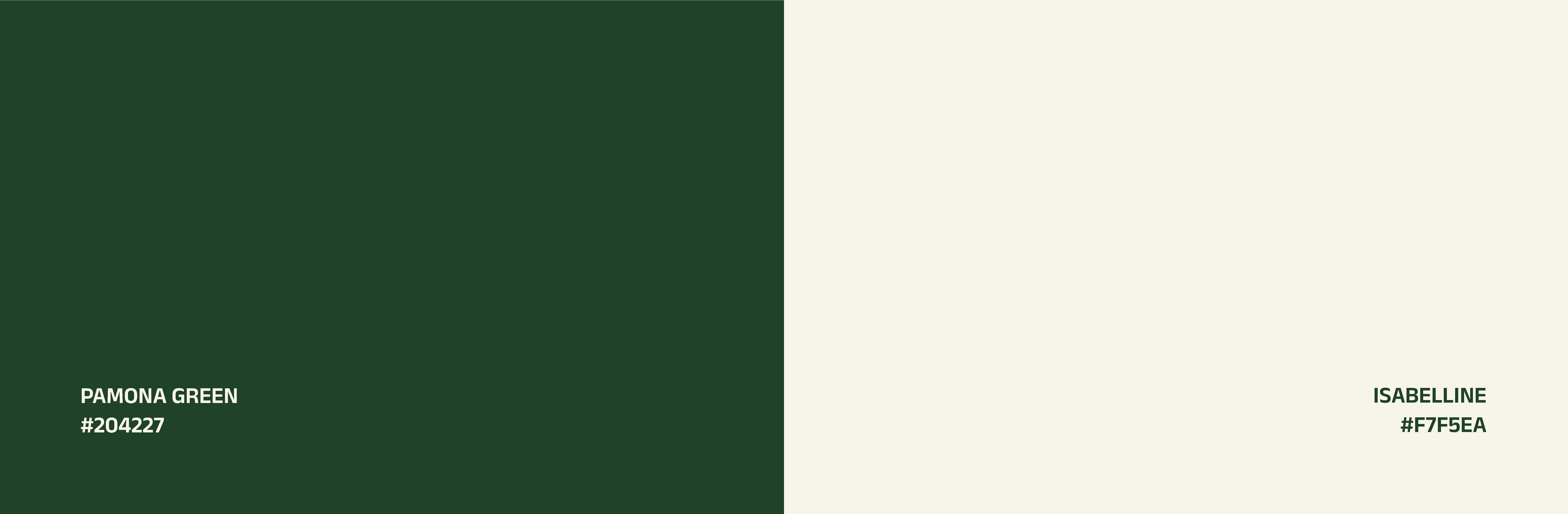
Ramona Green and Isabelline have been used for wayfinding in Tau Devi Lal Park to create a calm, clear, and elder-friendly environment. Ramona Green blends with nature and symbolizes health and peace, making it ideal for elders who visit the park for walking and fitness. Isabelline, a soft neutral shade, provides good contrast and improves readability, especially for those with weaker eyesight. Together, these colors ensure signage is easy to follow, comfortable on the eyes, and welcoming for the elderly.
Ramona Green and Isabelline have been used for wayfinding in Tau Devi Lal Park to create a calm, clear, and elder-friendly environment. Ramona Green blends with nature and symbolizes health and peace, making it ideal for elders who visit the park for walking and fitness. Isabelline, a soft neutral shade, provides good contrast and improves readability, especially for those with weaker eyesight. Together, these colors ensure signage is easy to follow, comfortable on the eyes, and welcoming for the elderly.
Ramona Green and Isabelline have been used for wayfinding in Tau Devi Lal Park to create a calm, clear, and elder-friendly environment. Ramona Green blends with nature and symbolizes health and peace, making it ideal for elders who visit the park for walking and fitness. Isabelline, a soft neutral shade, provides good contrast and improves readability, especially for those with weaker eyesight. Together, these colors ensure signage is easy to follow, comfortable on the eyes, and welcoming for the elderly.

Iconography
Iconography
Iconography
Kuttan is an innocent child from an upper-class village family. His father, who serves in the military, is absent from the story, leaving Kuttan to grow up under the influence of his mother and grandfather. His grandfather is a wealthy landlord—bold, rigid in appearance, symbolising authority and social hierarchy within the village. Kuttan’s mother is a simple housewife, dressed in traditional attire, who deeply cares for him and nurtures his imagination through bedtime stories. Together, they represent the contrasting forces of power, protection, and belief that shape Kuttan’s understanding of the world.
Kuttan is an innocent child from an upper-class village family. His father, who serves in the military, is absent from the story, leaving Kuttan to grow up under the influence of his mother and grandfather. His grandfather is a wealthy landlord—bold, rigid in appearance, symbolising authority and social hierarchy within the village. Kuttan’s mother is a simple housewife, dressed in traditional attire, who deeply cares for him and nurtures his imagination through bedtime stories. Together, they represent the contrasting forces of power, protection, and belief that shape Kuttan’s understanding of the world.
Kuttan is an innocent child from an upper-class village family. His father, who serves in the military, is absent from the story, leaving Kuttan to grow up under the influence of his mother and grandfather. His grandfather is a wealthy landlord—bold, rigid in appearance, symbolising authority and social hierarchy within the village. Kuttan’s mother is a simple housewife, dressed in traditional attire, who deeply cares for him and nurtures his imagination through bedtime stories. Together, they represent the contrasting forces of power, protection, and belief that shape Kuttan’s understanding of the world.


Ergonomics
Ergonomics
Ergonomics
Kuttan is an innocent child from an upper-class village family. His father, who serves in the military, is absent from the story, leaving Kuttan to grow up under the influence of his mother and grandfather. His grandfather is a wealthy landlord—bold, rigid in appearance, symbolising authority and social hierarchy within the village. Kuttan’s mother is a simple housewife, dressed in traditional attire, who deeply cares for him and nurtures his imagination through bedtime stories. Together, they represent the contrasting forces of power, protection, and belief that shape Kuttan’s understanding of the world.
Kuttan is an innocent child from an upper-class village family. His father, who serves in the military, is absent from the story, leaving Kuttan to grow up under the influence of his mother and grandfather. His grandfather is a wealthy landlord—bold, rigid in appearance, symbolising authority and social hierarchy within the village. Kuttan’s mother is a simple housewife, dressed in traditional attire, who deeply cares for him and nurtures his imagination through bedtime stories. Together, they represent the contrasting forces of power, protection, and belief that shape Kuttan’s understanding of the world.
Kuttan is an innocent child from an upper-class village family. His father, who serves in the military, is absent from the story, leaving Kuttan to grow up under the influence of his mother and grandfather. His grandfather is a wealthy landlord—bold, rigid in appearance, symbolising authority and social hierarchy within the village. Kuttan’s mother is a simple housewife, dressed in traditional attire, who deeply cares for him and nurtures his imagination through bedtime stories. Together, they represent the contrasting forces of power, protection, and belief that shape Kuttan’s understanding of the world.

