Naanu Branthan- The Outcast
Naanu Branthan- The Outcast
Naanu Branthan- The Outcast
Graphic Novel based on the theme 'Hero from my Village'
Graphic Novel based on the theme 'Hero from my Village'
About
About
About
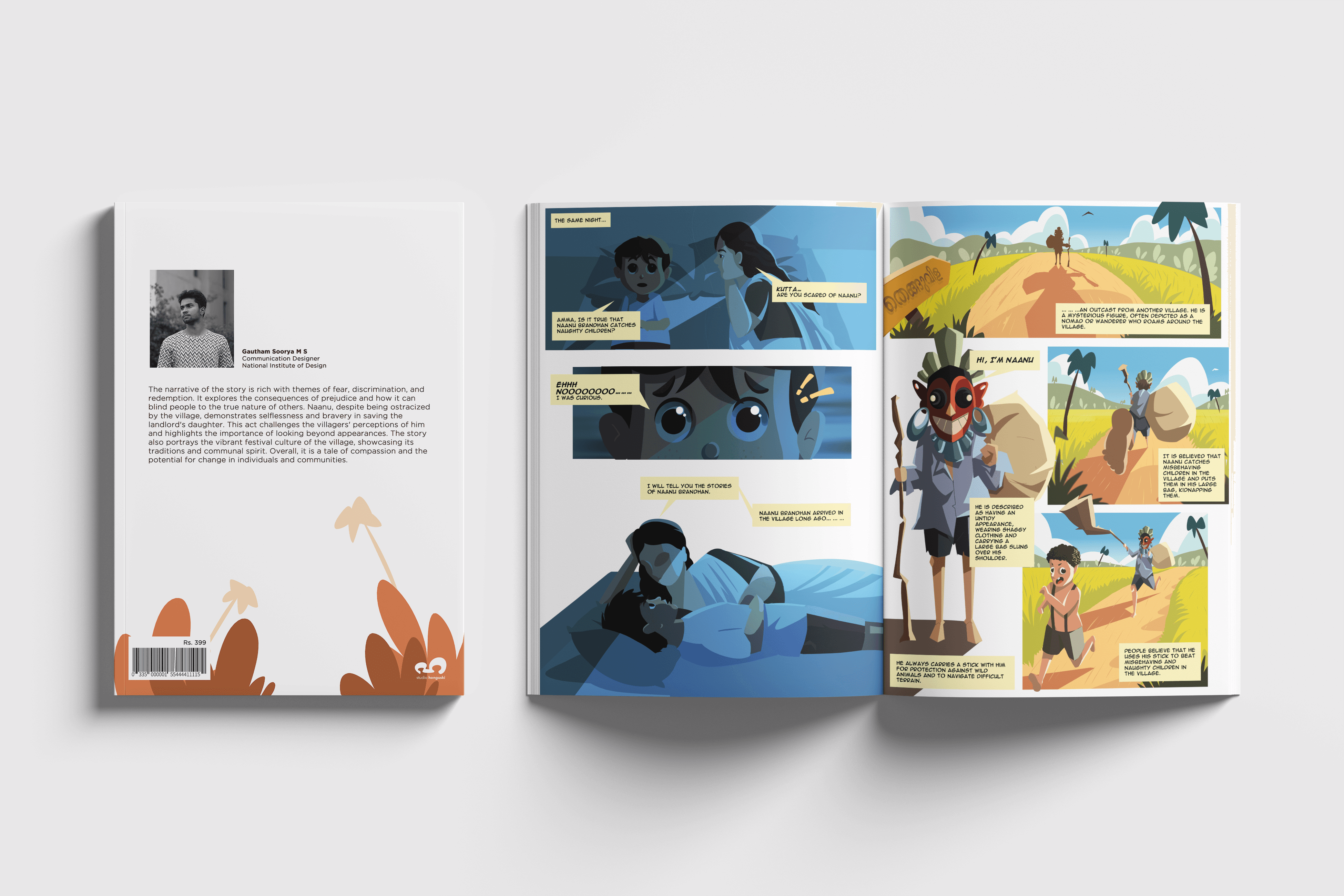
Naanu Branthan is a graphic novel inspired by my mother’s bedtime stories, drawn from her personal experiences and memories. Rooted in a village belief system shaped by fear and folklore, the story explores how myths are created, passed down, and used to enforce behaviour. Through themes of belief, discrimination, and social hierarchy, the narrative questions how society labels individuals and how those labels shape collective morality, fear, and empathy.
Naanu Branthan is a graphic novel inspired by my mother’s bedtime stories, drawn from her personal experiences and memories. Rooted in a village belief system shaped by fear and folklore, the story explores how myths are created, passed down, and used to enforce behaviour. Through themes of belief, discrimination, and social hierarchy, the narrative questions how society labels individuals and how those labels shape collective morality, fear, and empathy.
Naanu Branthan is a graphic novel inspired by my mother’s bedtime stories, drawn from her personal experiences and memories. Rooted in a village belief system shaped by fear and folklore, the story explores how myths are created, passed down, and used to enforce behaviour. Through themes of belief, discrimination, and social hierarchy, the narrative questions how society labels individuals and how those labels shape collective morality, fear, and empathy.

Story Overview
Story Overview
Story Overview
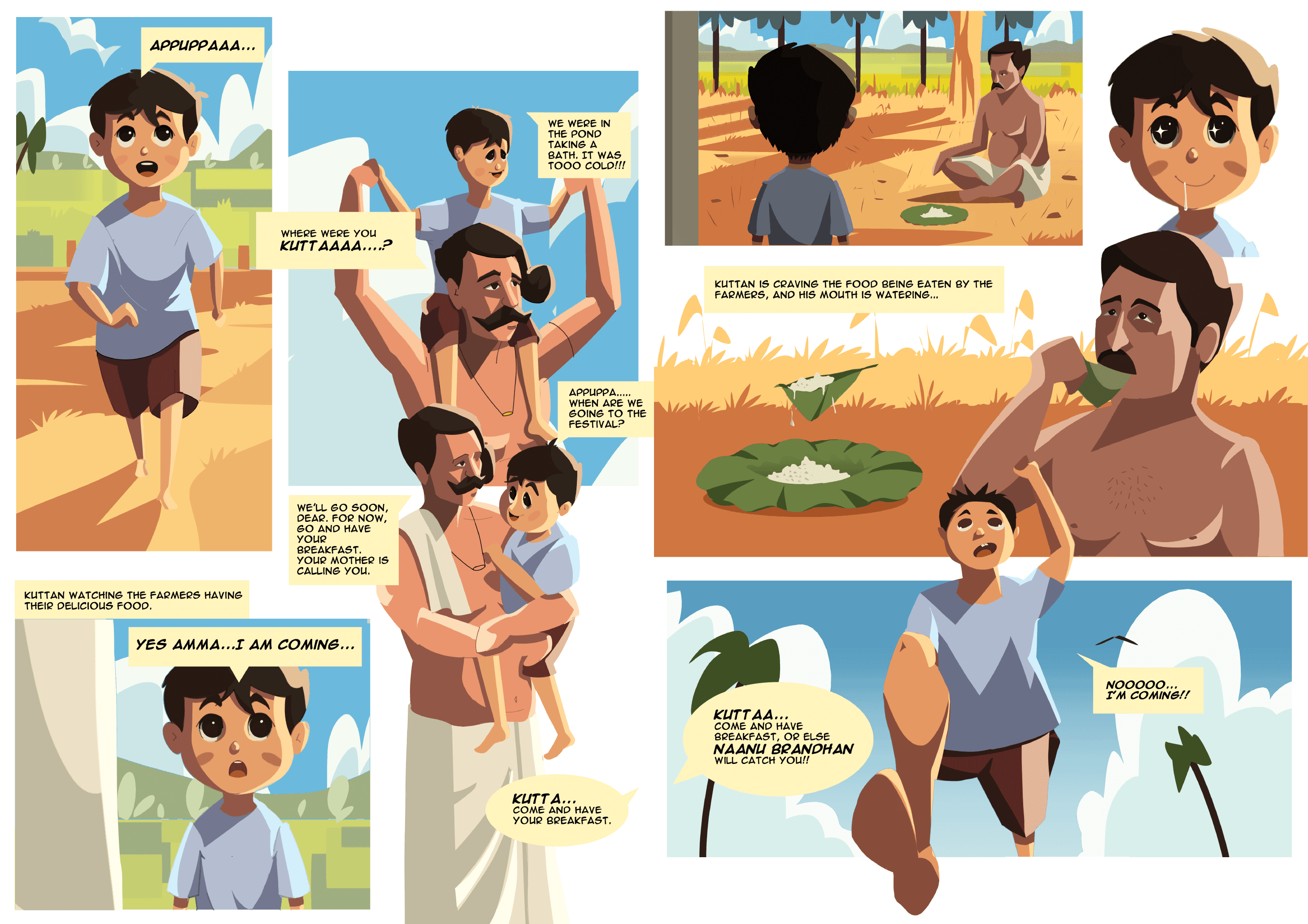
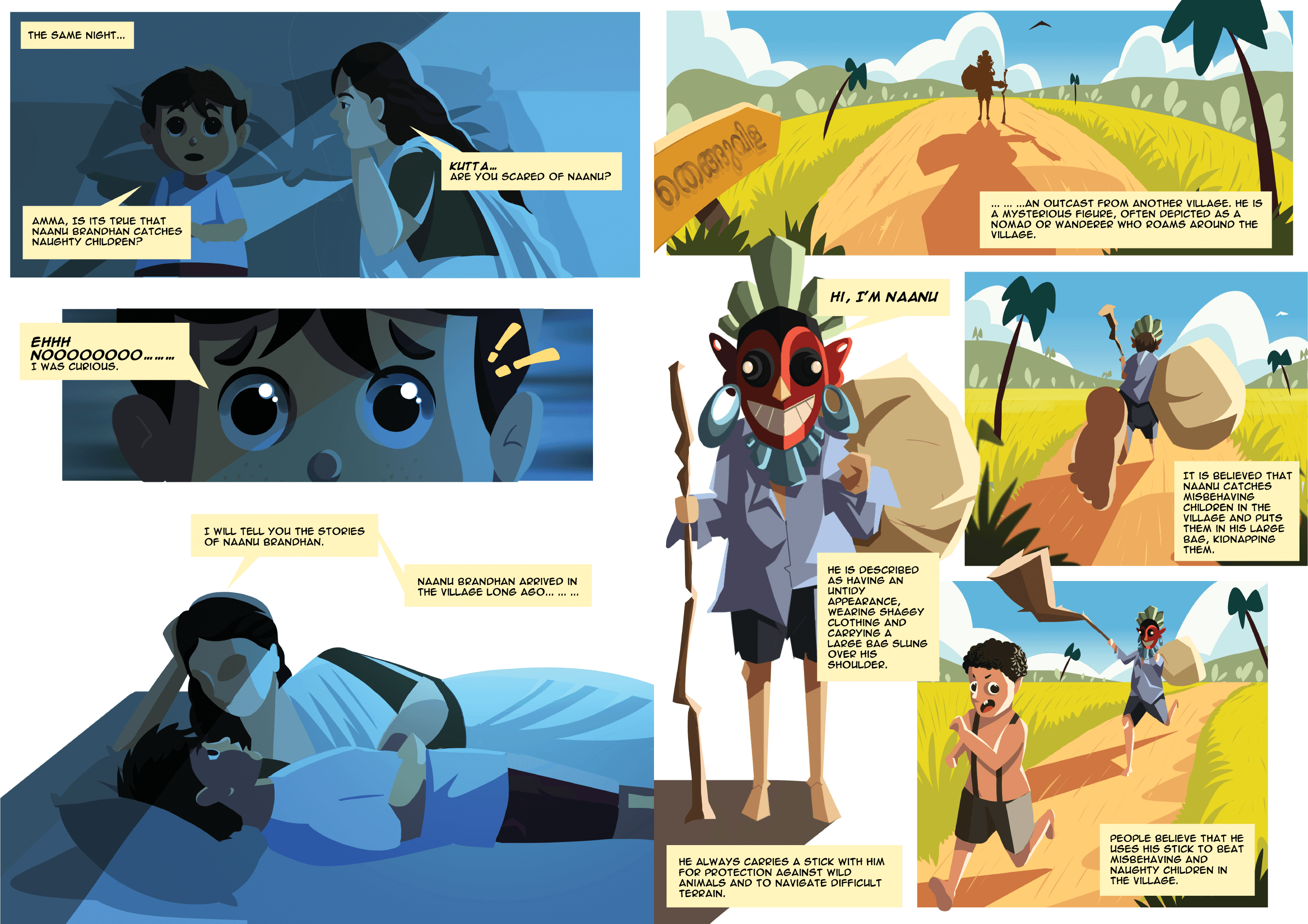
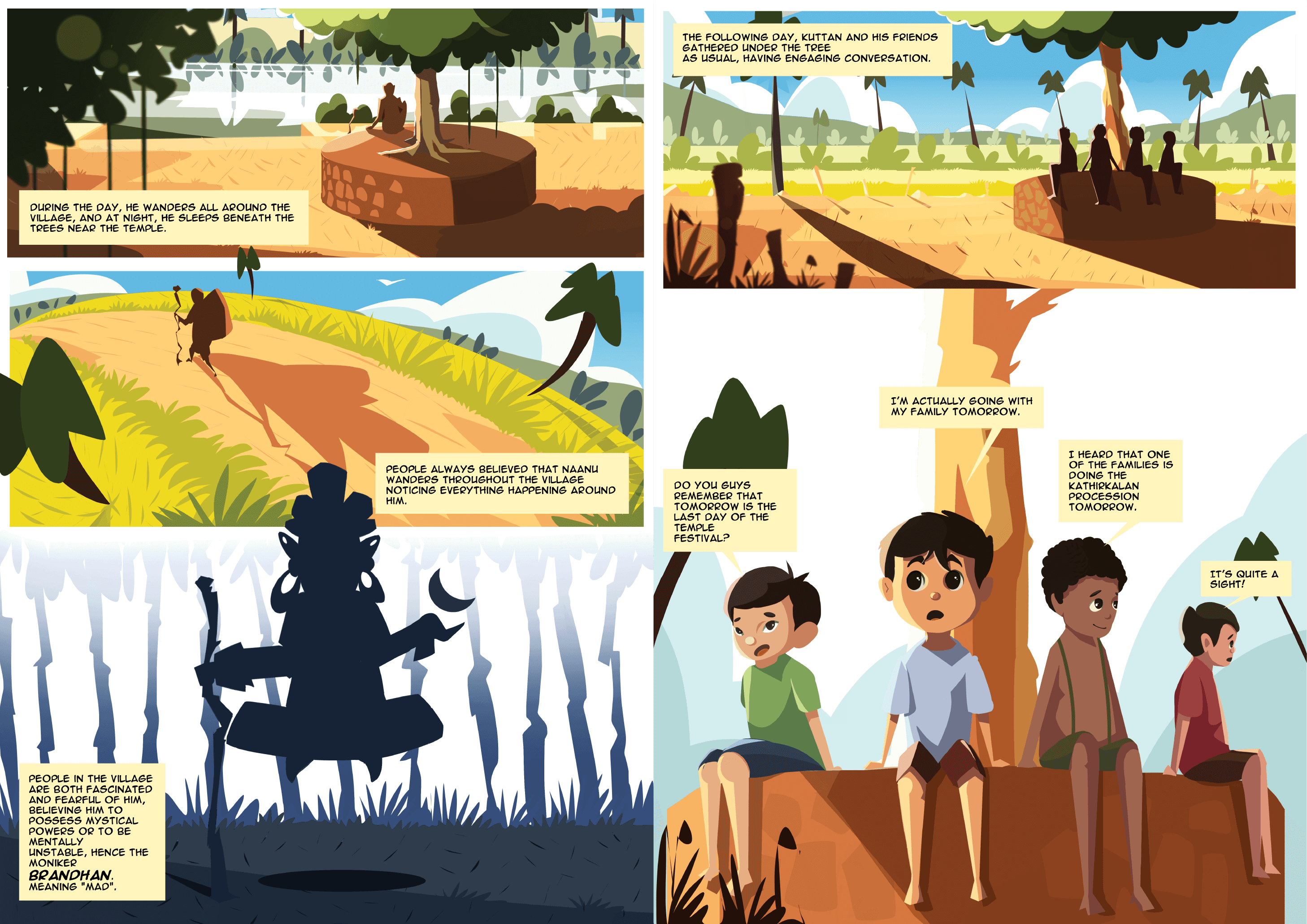
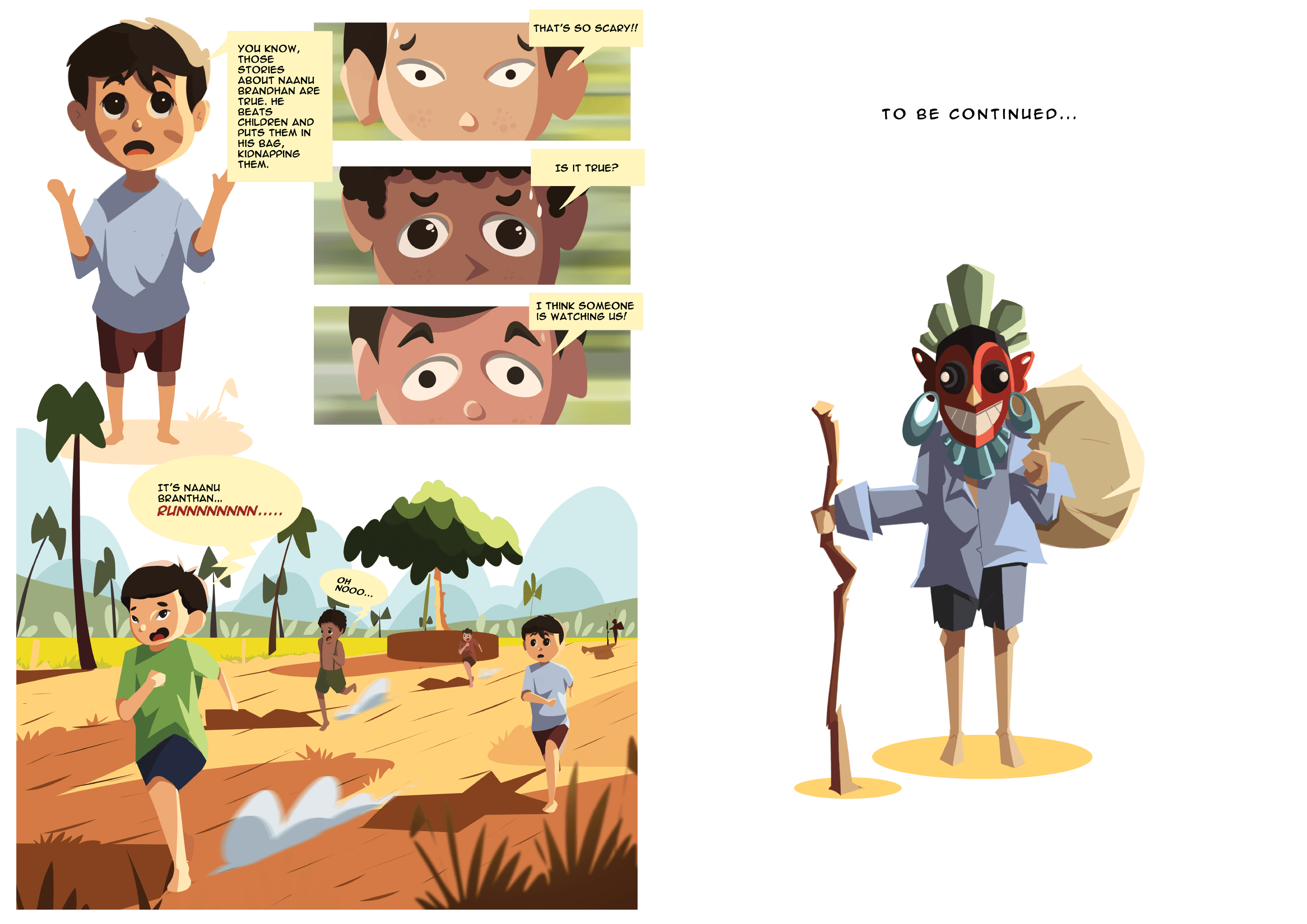
The story follows Naanu Branthan, an outcast who wanders from village to village and becomes a figure of fear within a small rural community. His name is used by adults to discipline children—a warning that misbehaviour will invite Naanu, who is believed to abduct children and wield dark magic. Growing up with these stories, the children fear him deeply. As the narrative unfolds, the truth behind Naanu and the belief system built around him begins to unravel, revealing a very different reality.
The story follows Naanu Branthan, an outcast who wanders from village to village and becomes a figure of fear within a small rural community. His name is used by adults to discipline children—a warning that misbehaviour will invite Naanu, who is believed to abduct children and wield dark magic. Growing up with these stories, the children fear him deeply. As the narrative unfolds, the truth behind Naanu and the belief system built around him begins to unravel, revealing a very different reality.
The story follows Naanu Branthan, an outcast who wanders from village to village and becomes a figure of fear within a small rural community. His name is used by adults to discipline children—a warning that misbehaviour will invite Naanu, who is believed to abduct children and wield dark magic. Growing up with these stories, the children fear him deeply. As the narrative unfolds, the truth behind Naanu and the belief system built around him begins to unravel, revealing a very different reality.
A Brief Glimpse into the Graphic Novel
A Brief Glimpse into the Graphic Novel
A Brief Glimpse into the Graphic Novel
The Outcast
The Outcast
The Outcast
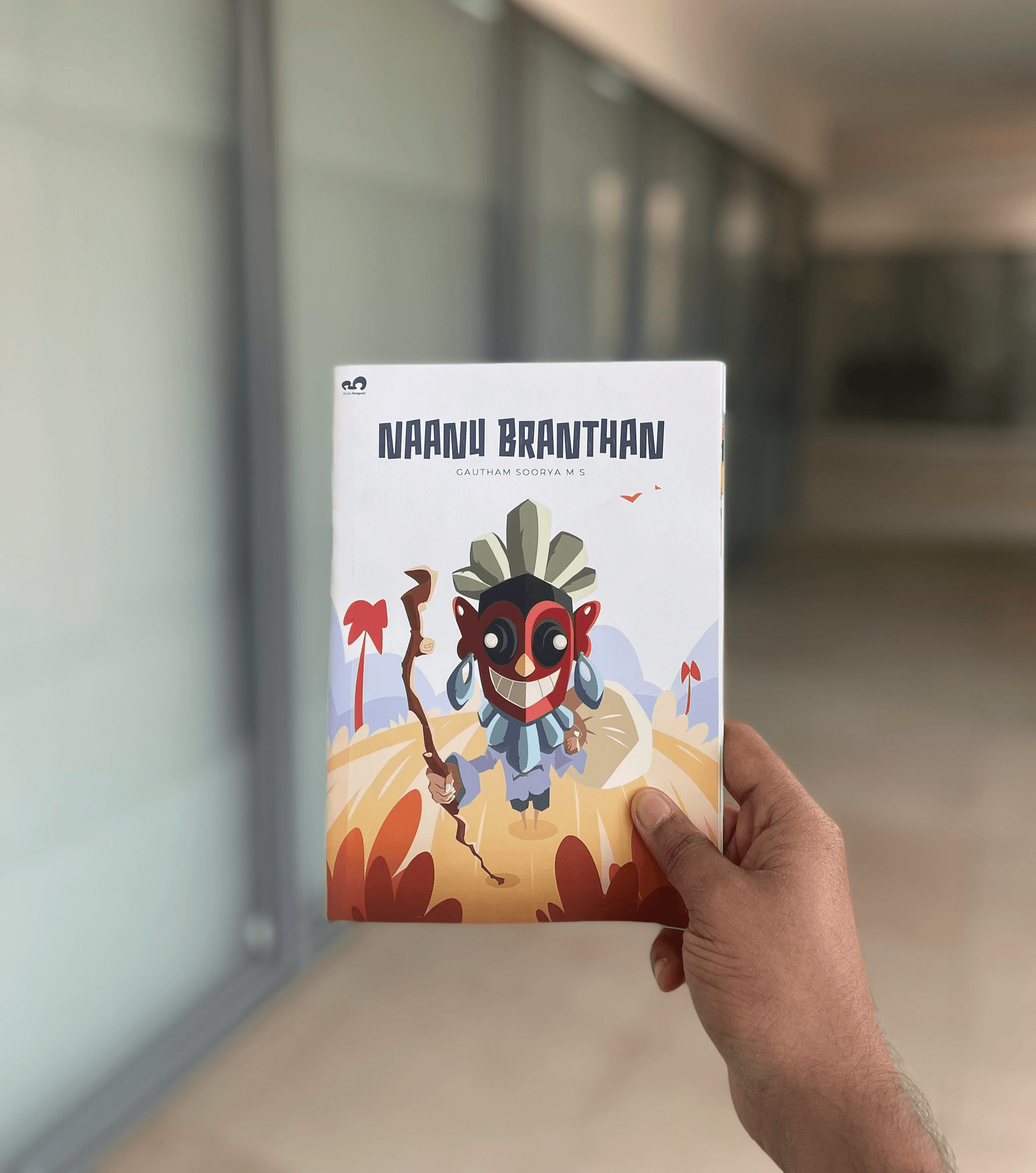
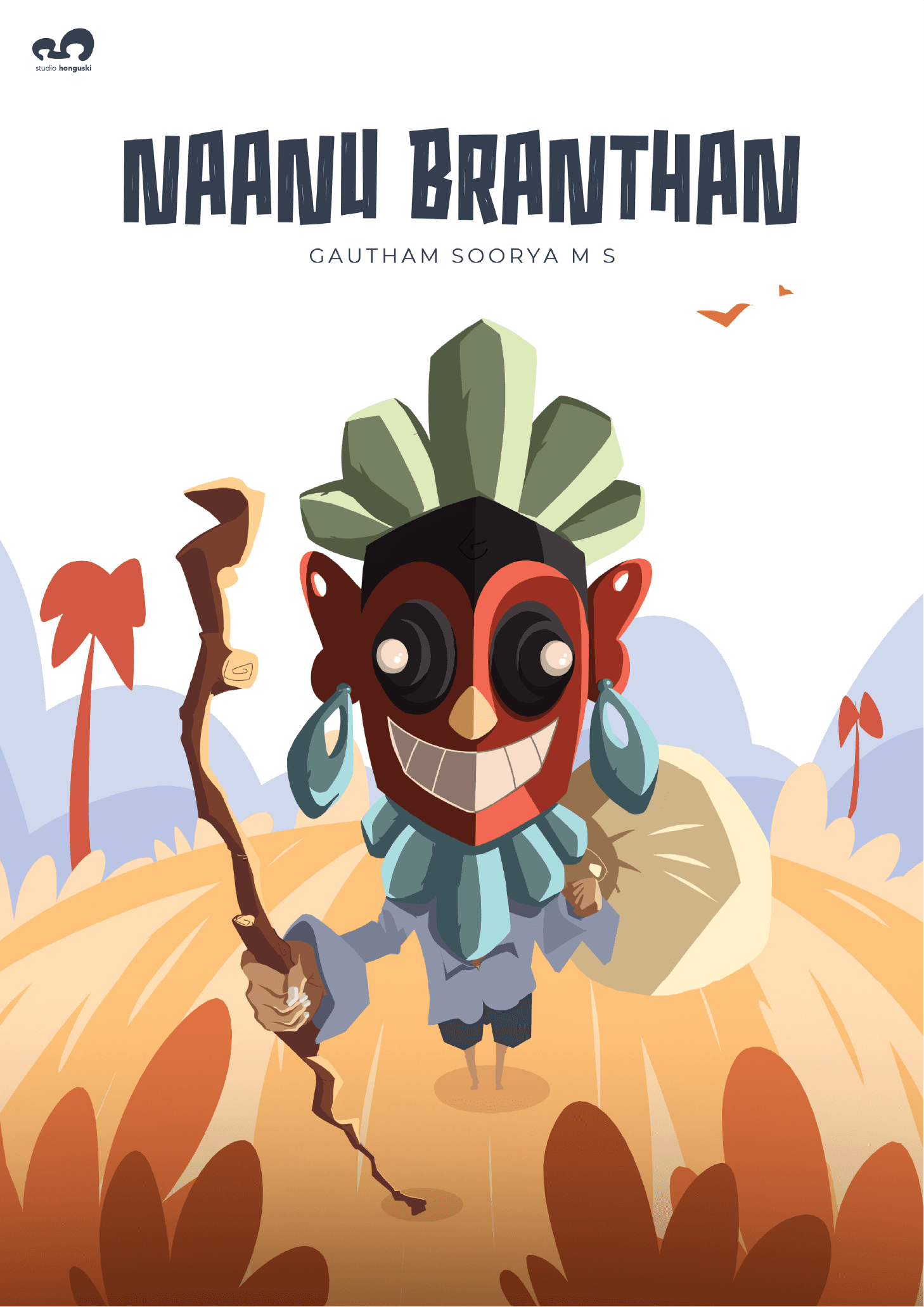
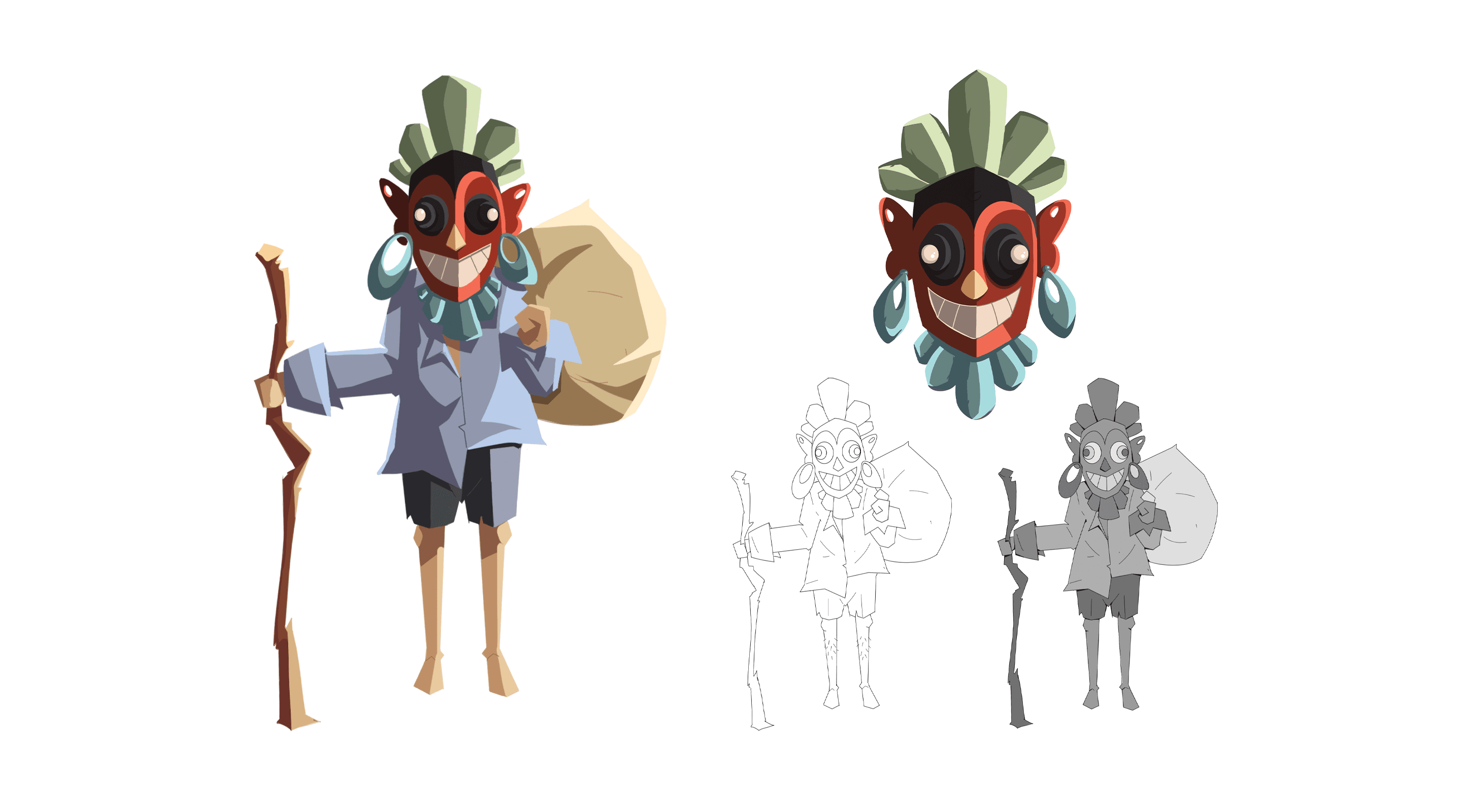
Naanu Branthan is a feared figure among the children of the village. None of them have ever seen his real face, leading them to imagine it as a terrifying tribal mask formed from their own fears and stories. He carries a walking stick, which the children believe he uses to beat misbehaving kids, and a sack meant for his belongings—though in their imagination, it becomes a tool for kidnapping. Dressed in torn clothes, his appearance reinforces the myths surrounding him, turning an ordinary wanderer into a monster created by collective belief.
Naanu Branthan is a feared figure among the children of the village. None of them have ever seen his real face, leading them to imagine it as a terrifying tribal mask formed from their own fears and stories. He carries a walking stick, which the children believe he uses to beat misbehaving kids, and a sack meant for his belongings—though in their imagination, it becomes a tool for kidnapping. Dressed in torn clothes, his appearance reinforces the myths surrounding him, turning an ordinary wanderer into a monster created by collective belief.
Naanu Branthan is a feared figure among the children of the village. None of them have ever seen his real face, leading them to imagine it as a terrifying tribal mask formed from their own fears and stories. He carries a walking stick, which the children believe he uses to beat misbehaving kids, and a sack meant for his belongings—though in their imagination, it becomes a tool for kidnapping. Dressed in torn clothes, his appearance reinforces the myths surrounding him, turning an ordinary wanderer into a monster created by collective belief.
Kuttan and his Family
Kuttan and his Family
Kuttan and his Family
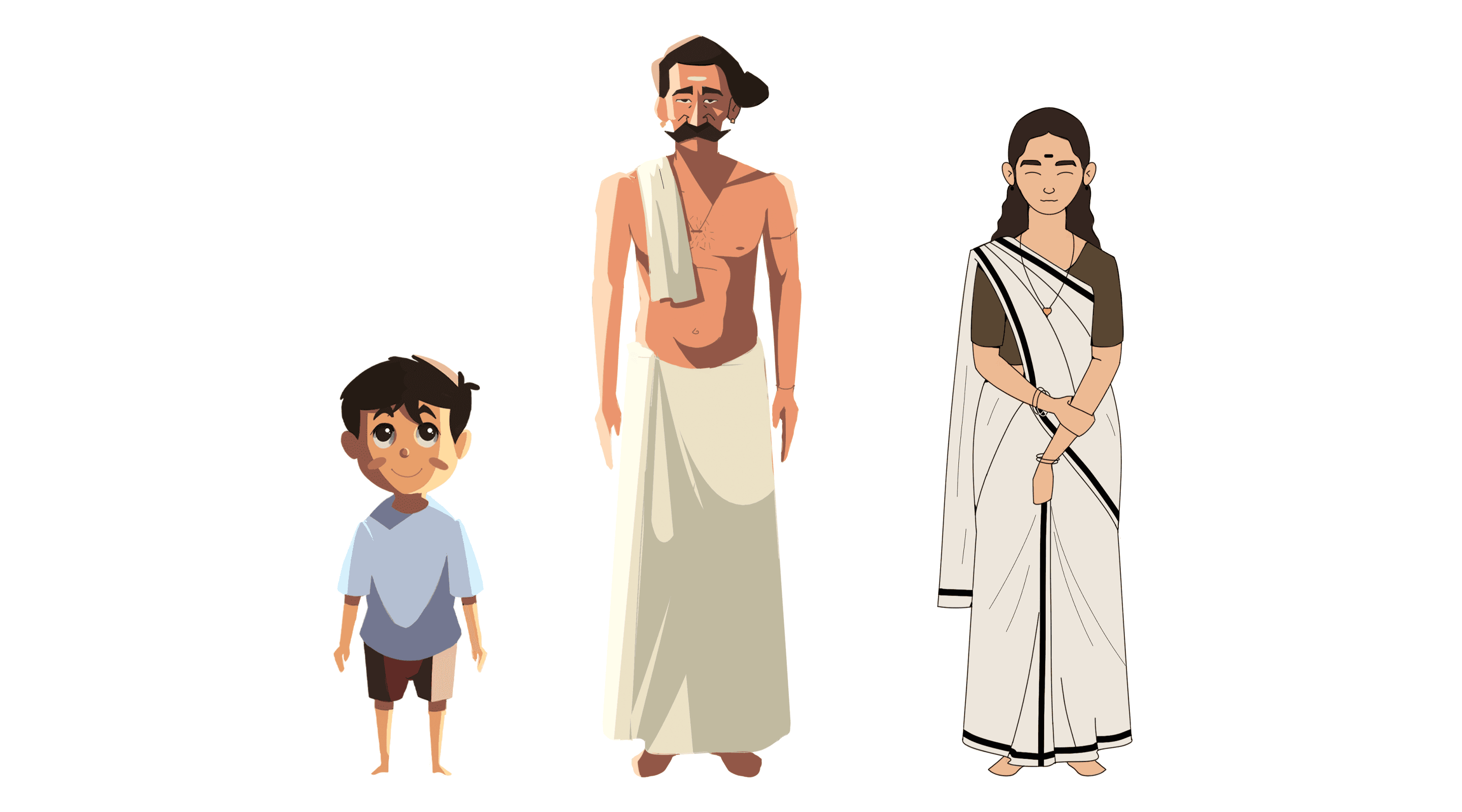
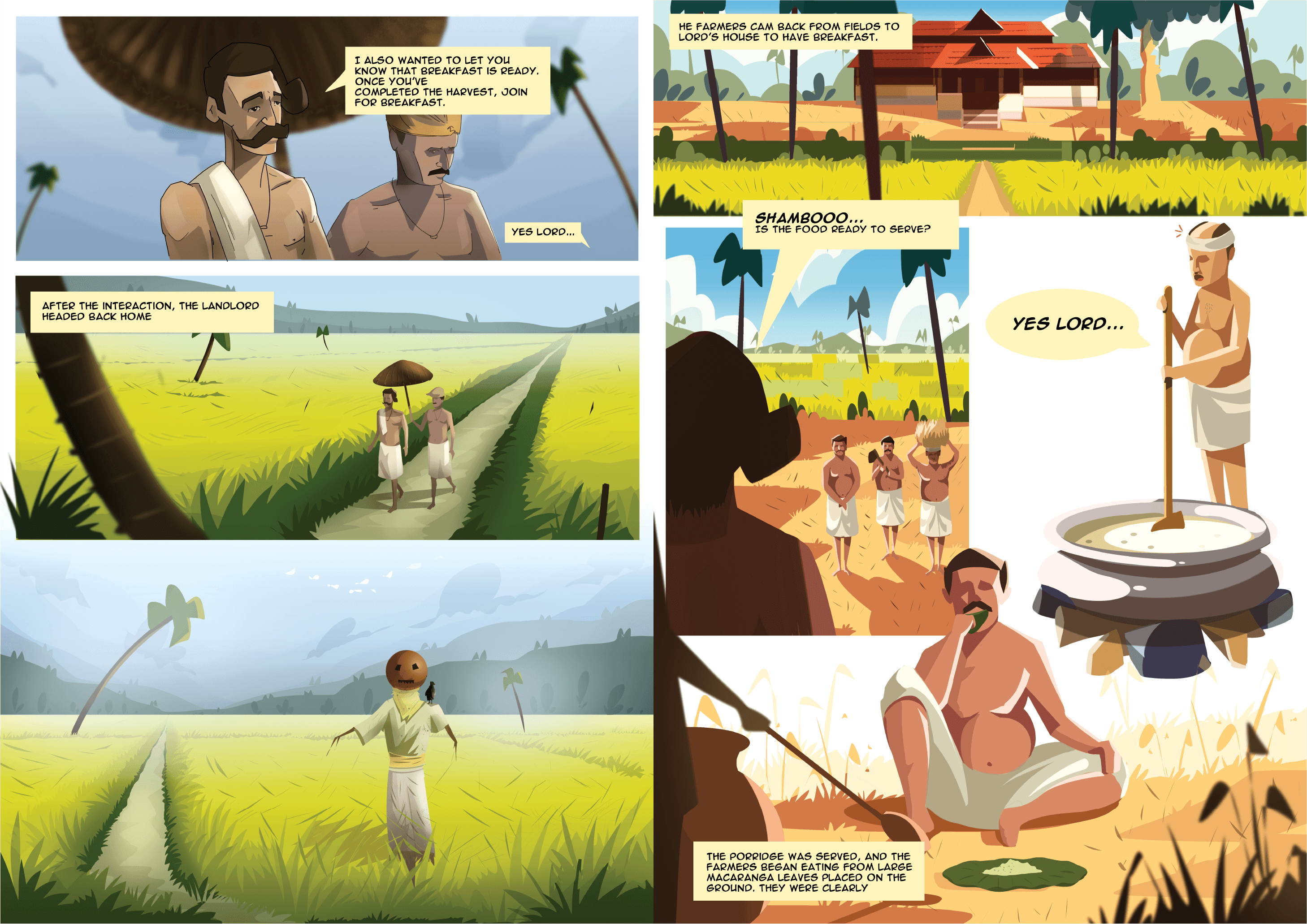
Kuttan is an innocent child from an upper-class village family. His father, who serves in the military, is absent from the story, leaving Kuttan to grow up under the influence of his mother and grandfather. His grandfather is a wealthy landlord—bold, rigid in appearance, symbolising authority and social hierarchy within the village. Kuttan’s mother is a simple housewife, dressed in traditional attire, who deeply cares for him and nurtures his imagination through bedtime stories. Together, they represent the contrasting forces of power, protection, and belief that shape Kuttan’s understanding of the world.
Kuttan is an innocent child from an upper-class village family. His father, who serves in the military, is absent from the story, leaving Kuttan to grow up under the influence of his mother and grandfather. His grandfather is a wealthy landlord—bold, rigid in appearance, symbolising authority and social hierarchy within the village. Kuttan’s mother is a simple housewife, dressed in traditional attire, who deeply cares for him and nurtures his imagination through bedtime stories. Together, they represent the contrasting forces of power, protection, and belief that shape Kuttan’s understanding of the world.
Kuttan is an innocent child from an upper-class village family. His father, who serves in the military, is absent from the story, leaving Kuttan to grow up under the influence of his mother and grandfather. His grandfather is a wealthy landlord—bold, rigid in appearance, symbolising authority and social hierarchy within the village. Kuttan’s mother is a simple housewife, dressed in traditional attire, who deeply cares for him and nurtures his imagination through bedtime stories. Together, they represent the contrasting forces of power, protection, and belief that shape Kuttan’s understanding of the world.